Understanding London Airport Codes
Several large airports in London, a significant hub for international aviation, handle millions of people annually. Knowing London airport codes can help your trip go more smoothly and efficiently, regardless of how often you fly or whether this is your first time.
Understanding airport codes can help you prevent confusion and guarantee a smooth airport transfer experience because they are utilized for reservations, navigation, and general travel planning.
The main London airport codes, how to utilize them for trip planning, and why they are necessary for all travelers will all be covered in this tutorial.
An Overview Of The Main Airport Codes In London
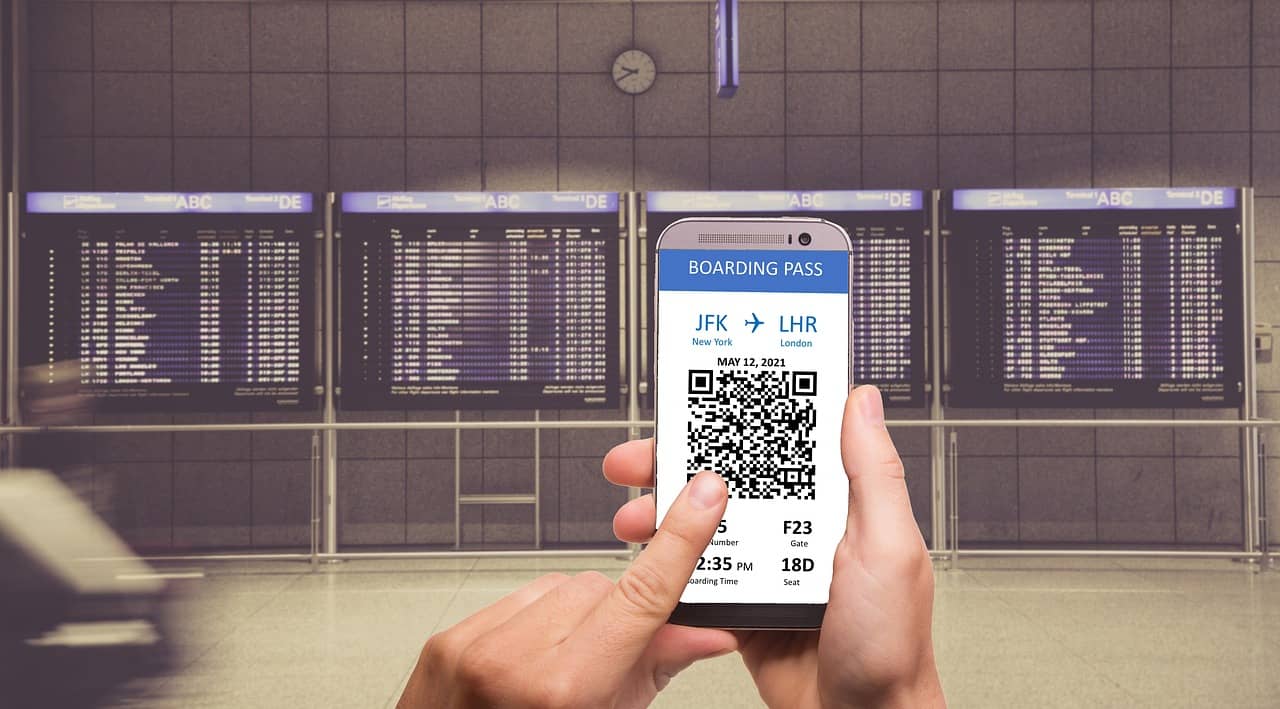
The International Air Transport Association (IATA) assigns distinct designations to each of London's major airports. Travel schedules, luggage handling, and airplane reservations all depend on these three-letter codes.
An outline of the main London airport codes is provided below:
1. Airport Heathrow (LHR)
LHR is the IATA code.
Where: West London
One of the busiest airports in the world and the busiest in the United Kingdom is Heathrow. With flights to locations all over the world, it acts as a significant international gateway.
Heathrow is a vital hub for international travel since it is where many long-haul international planes arrive and depart.
2. Airport Gatwick (LGW)
LGW is the IATA code.
South of London is the location.
Specializing in both short-haul and long-haul flights, Gatwick is London's second-largest airport. It is a well-liked option for charter flights and low-cost carriers, making it a crucial airport for transatlantic and European travel.
3. Stansted Airport in London (STN)
STN is the IATA code.
The area is northeast of London.
Ryanair, which has many flights around Europe, is one of the low-cost airlines that Stansted is renowned for providing. For tourists seeking low-cost flights to locations throughout Europe, this airport is perfect.
4. Luton Airport in London (LTN)
LTN is the IATA code.
North of London is the location.
With a wide range of routes throughout Europe, Luton is another important hub for low-cost airlines. Both short-haul international and domestic travel make extensive use of it.
5. Airport in London City (LCY)
LCY is the IATA code.
Where: East London
London City Airport provides easy access to central London and largely serves business travelers. Mostly, business executives favor it because of its close proximity to London's financial district.
6. Southend Airport in London (SEN)
SEN is the IATA code.
Location: east of London in Essex
Serving a number of European locations, Southend Airport is a smaller, less crowded airport. It offers a calmer and more laid-back substitute for the bigger airports in London.
How to Make Reservations and Navigate Using Airport Codes
Booking flights, navigating airports, and setting up transfers are just a few of the travel-related tasks that benefit from knowing London airport codes. Here's how to make the most of these codes:
1. Reservations for flights
Make sure you're choosing the right airport when purchasing a flight by constantly checking the airport code. A flight arriving at LHR (Heathrow) is not the same as one arriving at LGW (Gatwick), for instance.
Knowing airport codes helps avoid confusion as many airlines and travel providers list flights by them.
2. Navigation and Airport Transfers
Using the correct airport code when scheduling an airport transfer guarantees a seamless pickup and drop-off process. Airport codes are used to arrange reservations, which speeds up and improves the accuracy of the procedure.
Knowing airport codes can make it easier to find the correct terminal while taking an airport taxi, cab, bus, or train.
3. Customs and Baggage
In order to route baggage, airport codes are necessary. These numbers are used to tag your checked luggage and make sure it gets to the right place.
You can make sure your bags arrive at the correct airport and find baggage claim areas more quickly if you know the airport codes.
The Value of Understanding Airport Codes
There are various advantages to knowing airport codes that improve your trip:
1. Preventing Misunderstandings And Errors
London is only one of several cities with numerous airports. You can avoid last-minute anxiety by being aware of whether your flight leaves from Heathrow (LHR) or Gatwick (LGW).
Understanding the airport codes enables you to efficiently arrange your trip if you have a layover or a connecting aircraft.
2. Effective Travel Arrangement
Being familiar with airport codes facilitates travel planning, as many booking sites and travel apps rely on them. It expedites the flight search, schedule verification, and transportation service reservation processes.
3. Making Contact With Travel Services Easier
Giving the exact airport code when making an airport transfer reservation guarantees that the driver will pick you up from the designated spot.
Additionally, it makes your itinerary easier for hotel employees, airlines, and travel brokers to grasp.
Final Thought
A key component of hassle-free travel is being aware of London airport codes. Understanding airport codes like LHR (Heathrow) and LGW (Gatwick) can help you navigate terminals, book flights, and arrange airport transfers.
For a smooth journey, use the correct airport code the next time you're traveling to or from London. You may rely on Britain Airport Transfers to deliver dependable and effective transportation to any London airport for a smooth airport transfer.
Do you want a stress-free ride? Make your airport transportation reservation now!